Hybrid Work Policy◆Space Utilization Analytics◆LEED Certification◆Flex Office Demand◆AI-Powered Facilities◆Return-to-Office Trends◆Acoustic Design◆Workplace Wellness◆Smart Building Tech◆Corporate Real Estate◆Hybrid Work Policy◆Space Utilization Analytics◆LEED Certification◆Flex Office Demand◆AI-Powered Facilities◆Return-to-Office Trends◆Acoustic Design◆Workplace Wellness◆Smart Building Tech◆Corporate Real Estate◆
Digital Workplace
The AI-Powered Office Is No Longer a Prediction — It's Reshaping Corporate Real Estate Right Now
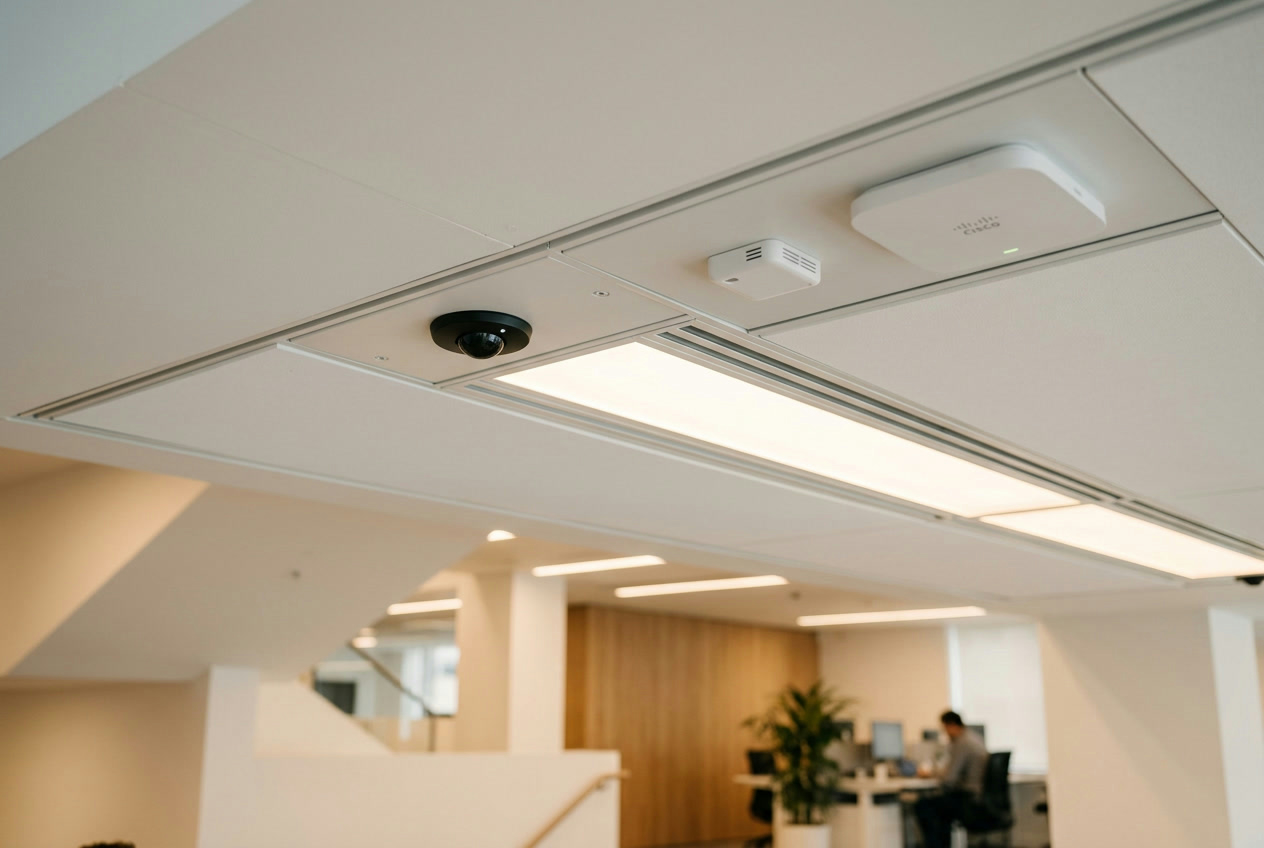
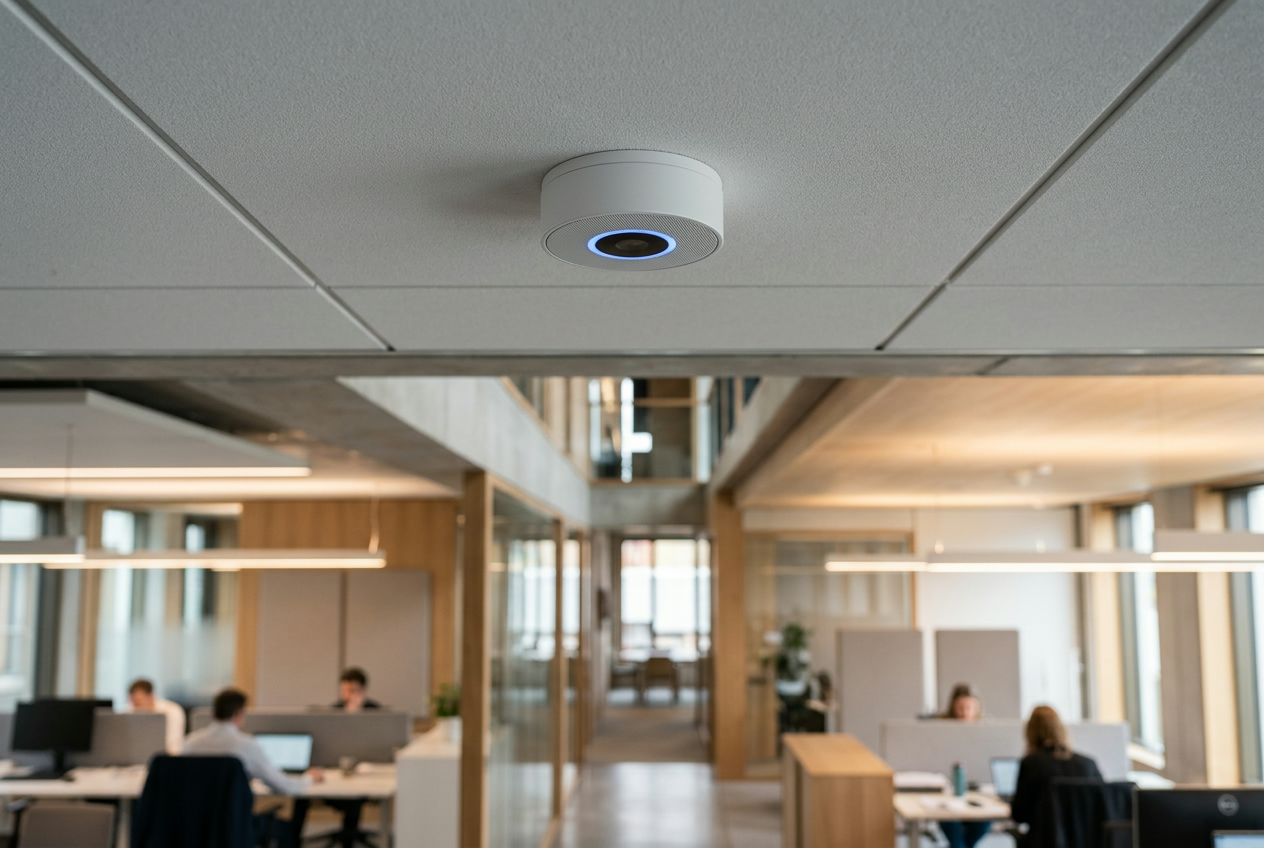
From intelligent space utilization platforms to ambient sensor networks, American enterprises are deploying machine-learning tools that are fundamentally rewriting how headquarters are designed, leased, and managed. The firms moving fastest are gaining a measurable edge.
MA
Morgan Ashfield
Senior Editor, Workplace Technology
June 12, 2025
8 min read
New York City — Corporate occupancy data now drives real-time portfolio decisions across major U.S. markets.
Top Stories
Corporate Real Estate
The Lease Cliff Is Here: How Fortune 500 Companies Are Restructuring Their Footprints
A wave of expiring long-term leases is forcing America's largest corporations to make defining decisions about how much space they actually need.
M
Margaret Hollis
8 min read
Workplace Technology
Occupancy Sensors Are Getting Smarter — And Raising New Questions About Employee Privacy
Next-generation IoT sensor platforms can now track movement patterns, noise levels, and even team clustering in real time. HR and legal teams are taking notice.
D
Daniel Okafor
6 min read
Office Market Intelligence
Secondary Markets Are Winning the Hybrid Work Relocation Wave — for Now
Cities like Nashville, Raleigh, and Salt Lake City continue to absorb corporate relocations, but analysts warn that infrastructure gaps could slow momentum.
C
Christine Yuen
5 min read
Editorial Coverage
Topics We Cover
Navigate the full spectrum of workplace intelligence through our six core coverage pillars.
The Ghost Floors: How America's Biggest Corporations Are Quietly Surrendering Half Their Office Space
A year-long investigation reveals that Fortune 500 companies are quietly subletting, mothballing, or abandoning entire floors while publicly projecting confidence in their real estate portfolios. The numbers behind the great corporate space retreat are far more dramatic than disclosed.
In-Depth Analysis
14 min read
Sensor State: The Ethical Fault Lines Running Through Workplace Intelligence Technology
As occupancy sensors, badge readers, and AI-driven desk analytics become standard-issue infrastructure in American offices, legal scholars, HR professionals, and civil liberties advocates are raising urgent questions about consent, data retention, and the power asymmetry between employer and employee.
Editor's Picks are selected by the triust-onewiev editorial team for depth, relevance, and original reporting.
Data Snapshot
US Office Market — Key Indicators
Updated Q1 2025 · Compiled by triust-onewiev Research
Sensor Networks Are Rewriting How Corporations Measure Desk Utilization
New IoT deployments across Fortune 500 portfolios reveal occupancy data that challenges every assumption facilities teams held about hybrid work.
Corporate Real EstateJune 10, 2025
Manhattan Sublease Inventory Drops for Third Consecutive Quarter
The city's glut of available sublease space is finally thinning — but the reasons reveal a more complicated story than a simple demand recovery.
Hybrid WorkJune 9, 2025
The Three-Day Week Has Become Corporate America's New Default Setting
Policy documents, attendance data, and executive interviews converge on a single conclusion: Tuesday through Thursday is the new Monday through Friday.
Office DesignJune 7, 2025
Biophilic Design Is Moving From Amenity Feature to Lease Negotiation Lever
Tenants are increasingly demanding greenery, natural light, and outdoor access as non-negotiable requirements — and landlords are responding with capital.
TechnologyJune 5, 2025
AI Space Planners Are Challenging the Role of the Traditional Interior Architect
Generative layout tools trained on utilization data can now produce compliant floor plans in minutes — a capability that is restructuring procurement relationships.
Facilities ManagementJune 3, 2025
Energy Benchmarking Mandates Are Forcing Landlords to Accelerate MEP Upgrades
New York, Chicago, and Boston's building performance standards are creating upgrade timelines — and cost conversations — that neither landlords nor tenants were expecting.
The Workplace Intelligence Digest lands in your inbox every Tuesday — a curated briefing covering US office market trends, corporate real estate moves, hybrid work strategies, and the technology reshaping how teams operate.
Delivered every Tuesday
Zero spam, ever
Unsubscribe anytime
triust-onewiev — The Intelligence Layer for the Modern American Office